High-risk pregnancy monitoring
High-risk pregnancy monitoring. Recurrent miscarriage. Certain factors increase the risk of pregnancy complications for the mother, the fetus, or both, and require more thorough and specialized follow-up to minimize those risks. These factors include:
- Obstetric history and recurrent miscarriage: Women who have had complications in previous pregnancies may be at higher risk of complications in subsequent pregnancies. They require a detailed study of predisposing factors. A poor obstetric history is defined as recurrent miscarriages, preterm births, antepartum fetal death, intrauterine growth restriction, etc.
- Immunological factors and antiphospholipid syndrome. There are multiple immunological factors that can prevent a healthy embryo from implanting or, even after implantation, cause a miscarriage. The immunological factor that most clearly causes fertility problems is antiphospholipid syndrome. In this syndrome, the mother produces abnormal antibodies that, in addition to causing clots and bleeding, can lead to immune rejection of the baby and therefore miscarriage. Its diagnosis often goes unnoticed, either because the relevant antibodies are not ordered or because their cutoff values are not interpreted correctly. Treatment with heparin and acetylsalicylic acid, if properly adjusted, is usually enough to achieve a successful full-term pregnancy.
- Hypothyroidism is a cause of recurrent miscarriage. The cause is usually autoimmune. Thyroid hormone supplementation until adequate TSH values are reached allows, in most cases, a successful pregnancy and healthy babies. Occasionally, pregnancy itself can trigger thyroiditis, which sometimes persists after delivery.
- Diabetes mellitus. Women with pregestational diabetes are considered higher risk, and optimal glycemic control is needed in the months before attempting pregnancy in order to reduce the risk of miscarriage and malformations. Diabetes that develops during pregnancy is called gestational diabetes and also requires closer monitoring because it is associated with more complications.
- Preeclampsia, hypertension, or chronic maternal disease. Preeclampsia is the clinical triad of hypertension, proteinuria, and edema in a pregnant woman. Its cause is immune and vascular, so it can lead to complications such as fetal growth restriction, placental disease, eclampsia, etc. Women with chronic hypertension, obesity, or gestational diabetes are at higher risk of developing it. During the first trimester of pregnancy there are key markers for detecting the risk of preeclampsia and preventing severe forms with aspirin (ASA). These markers are: low placental growth factor (PlGF), high anti-angiogenic protein (sFlt-1), elevated uterine artery pulsatility index (UtA-PI), and maternal hypertension.
- Cervical insufficiency. Cervical insufficiency, also called cervical incompetence, occurs when the cervix dilates and opens prematurely during pregnancy. It typically causes late miscarriages and preterm births. To diagnose it in time, measuring the cervical length by transvaginal ultrasound is recommended. Treatment often requires a cerclage, or suture of the cervix, along with rest.
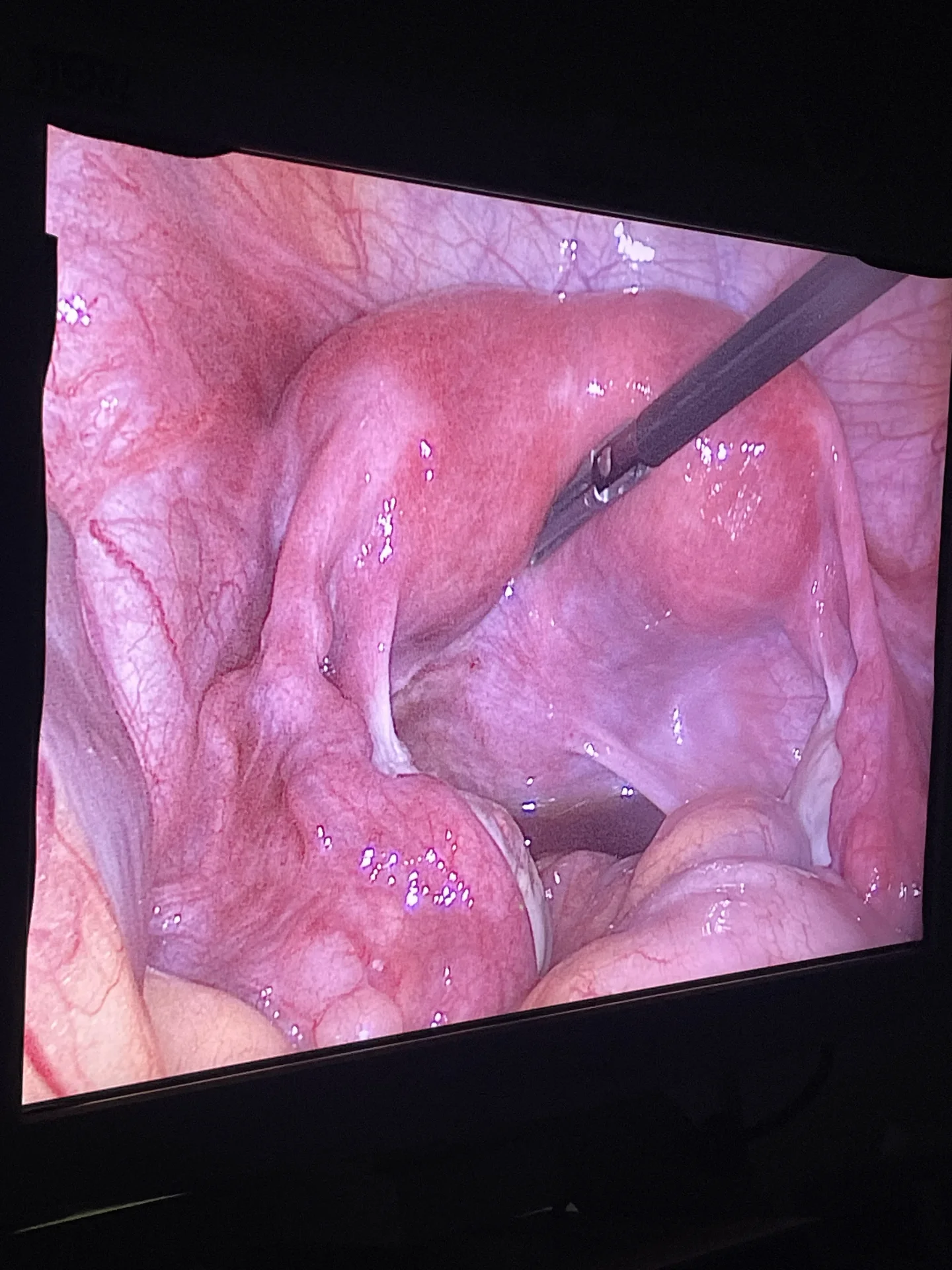
- Adenomyosis, uterine malformations, and other pre-existing uterine conditions tend to reduce the distensibility and vascularization of the uterus, making placentation difficult and increasing complications both during pregnancy (miscarriage, IUGR, preterm birth, placenta previa…) and at delivery (placenta accreta, hemorrhage…).

Los partos se atienden en el hospital Quirón de Pozuelo CCN 1328000076