ASSISTED REPRODUCTION AND FERTILITY
PRECONCEPTION TESTING: PANELS FOR RECESSIVE AND X-LINKED DISEASES
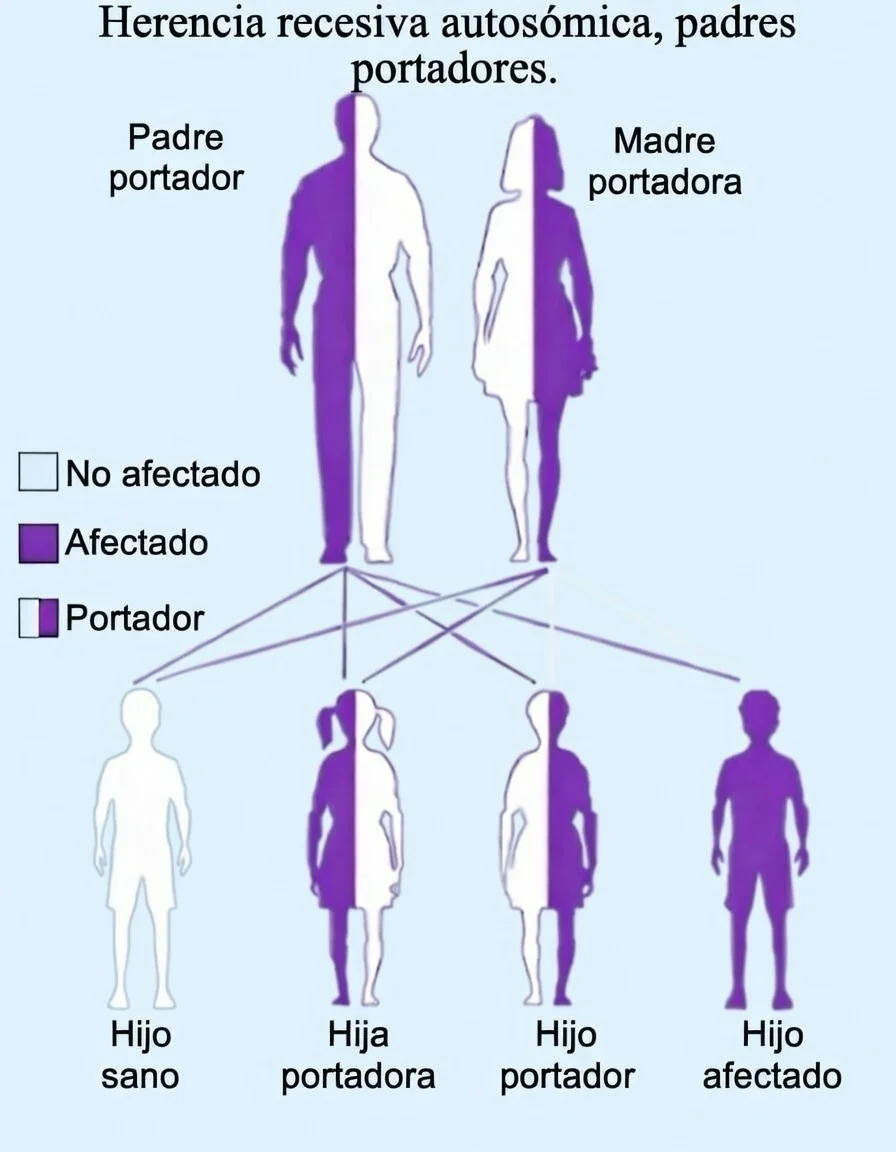
Preconception testing is recommended for any couple who wishes to have children, even if they have no known fertility problems, in order to prevent genetic diseases in their offspring. We are all carriers of rare genetic diseases that do not affect us because we inherited the mutation from only one of our parents. These diseases are caused by alterations in DNA called mutations. If both parents carry a mutation for the same disease, 25% of their children will be affected. These are called recessive diseases.
Many of them are very serious, and some are even incompatible with life. It is estimated that between 3% and 5% of couples with no consanguinity and no known family history of disease carry mutations for the same recessive disease. If there is consanguinity or a family history, this percentage is higher.
The most common recessive diseases in Spain are cystic fibrosis, hemoglobinopathies, Wilson’s disease, spinal muscular atrophy, hereditary non-syndromic deafness, oculocutaneous albinism, and Gaucher disease. Some of these diseases are particularly serious, especially if they are not diagnosed and treated in time.
There are also diseases caused by mutations on the X chromosome, which carrier mothers pass on to half of their sons, such as hemophilia, fragile X syndrome, and Duchenne muscular dystrophy.
In addition, genetic information is organized into chromosomes. The study of chromosomes is called a karyotype. Some karyotype abnormalities, such as balanced translocations, may cause no symptoms in the parents but can lead to disease in their children. For this reason, it is ideal to perform karyotyping as well.
Finally, before attempting pregnancy, it is advisable to have blood tests to rule out active infections by microorganisms such as rubella or cytomegalovirus, which can cause serious malformations in the fetus.
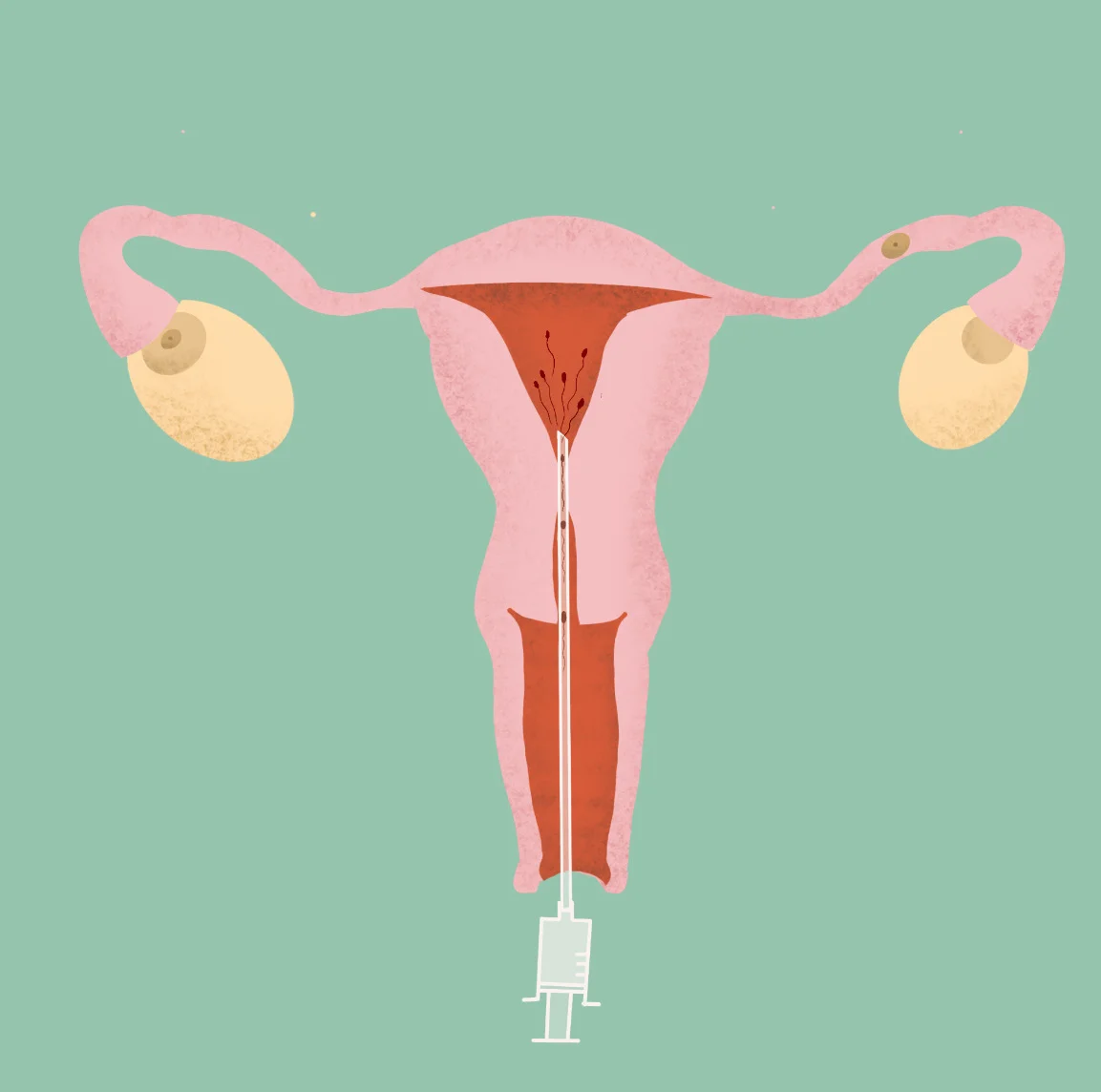
Artificial insemination
this consists of placing a semen sample, prepared and optimized to improve sperm quality, inside the woman’s uterus, thereby increasing the chances that the sperm will fertilize the egg and a pregnancy will occur.
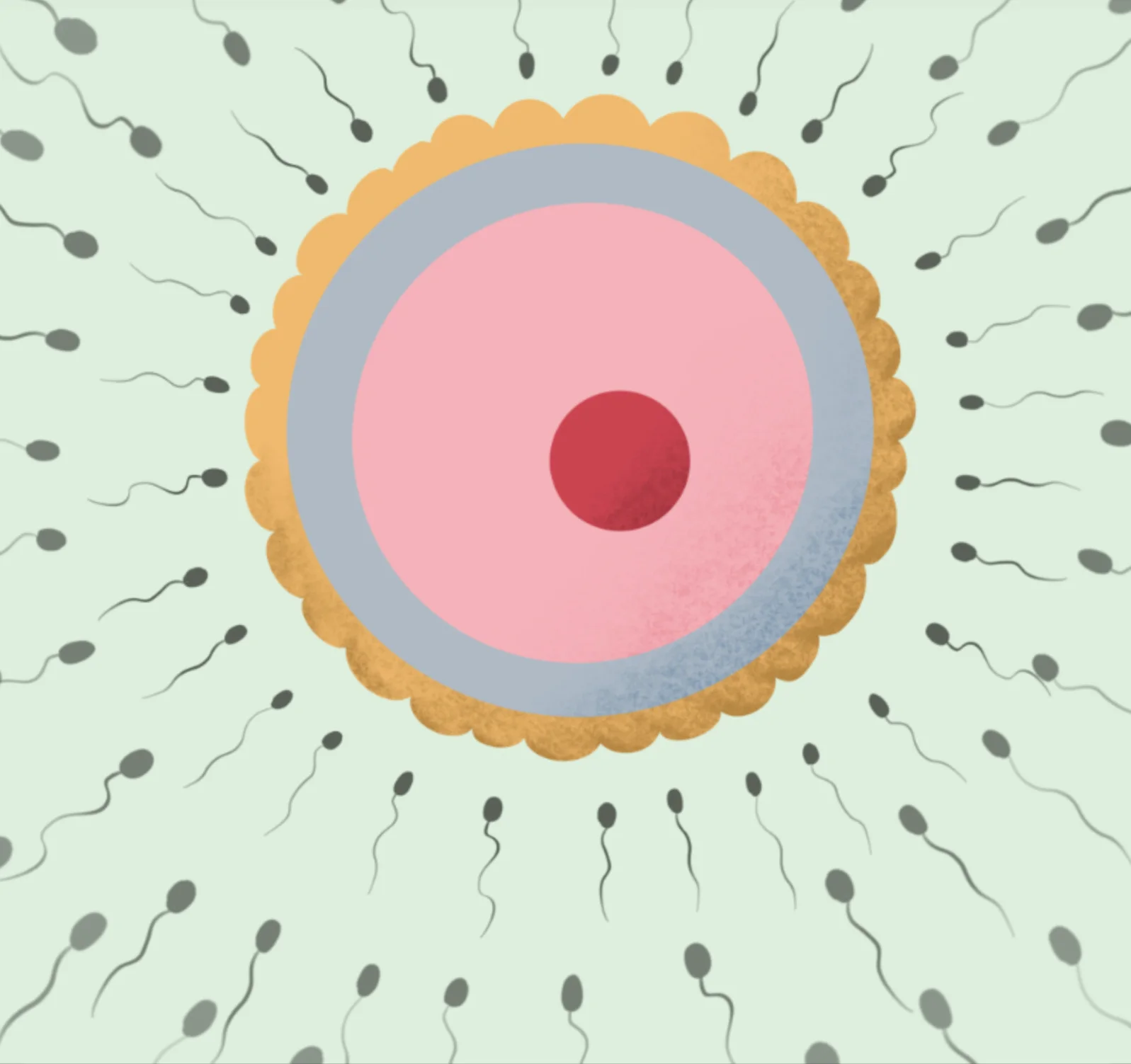
In Vitro Fertilization
is an assisted reproduction technique in which eggs and sperm are fertilized outside the human body, in a laboratory. This technique is used to treat infertility in couples who cannot conceive naturally for various reasons, mainly when the fallopian tubes are blocked.
The IVF process generally involves several stages. First, the woman’s ovaries are stimulated with medication so that several eggs mature, since under normal conditions only one would mature. The follicles, where the eggs grow, are then punctured and the eggs are aspirated.
The eggs are incubated with the sperm in the laboratory to promote fertilization. Fertilized eggs are then called embryos, and they are cultured in the laboratory for about 5 or 6 days until they reach a specific stage of development called the blastocyst. Finally, one or two blastocysts are transferred to the uterus, in the hope that they will implant and develop into a pregnancy.
The chances of success with IVF can vary depending on several factors, such as the woman’s age, the quality of the eggs and sperm, the cause of infertility, and the experience and technical resources of the fertility center.
It is important to bear in mind that IVF does not guarantee a successful pregnancy in every case. Some couples may need several attempts before achieving a pregnancy. Multiple pregnancies can also occur, especially if more than one embryo is transferred, and they carry greater risks for both the mother and the babies. With the technical improvements of recent years, implantation rates have increased significantly; for this reason, the current recommendation is to transfer a single embryo.
In addition, IVF involves risks and ethical considerations that should be discussed with the specialist physician before starting treatment.
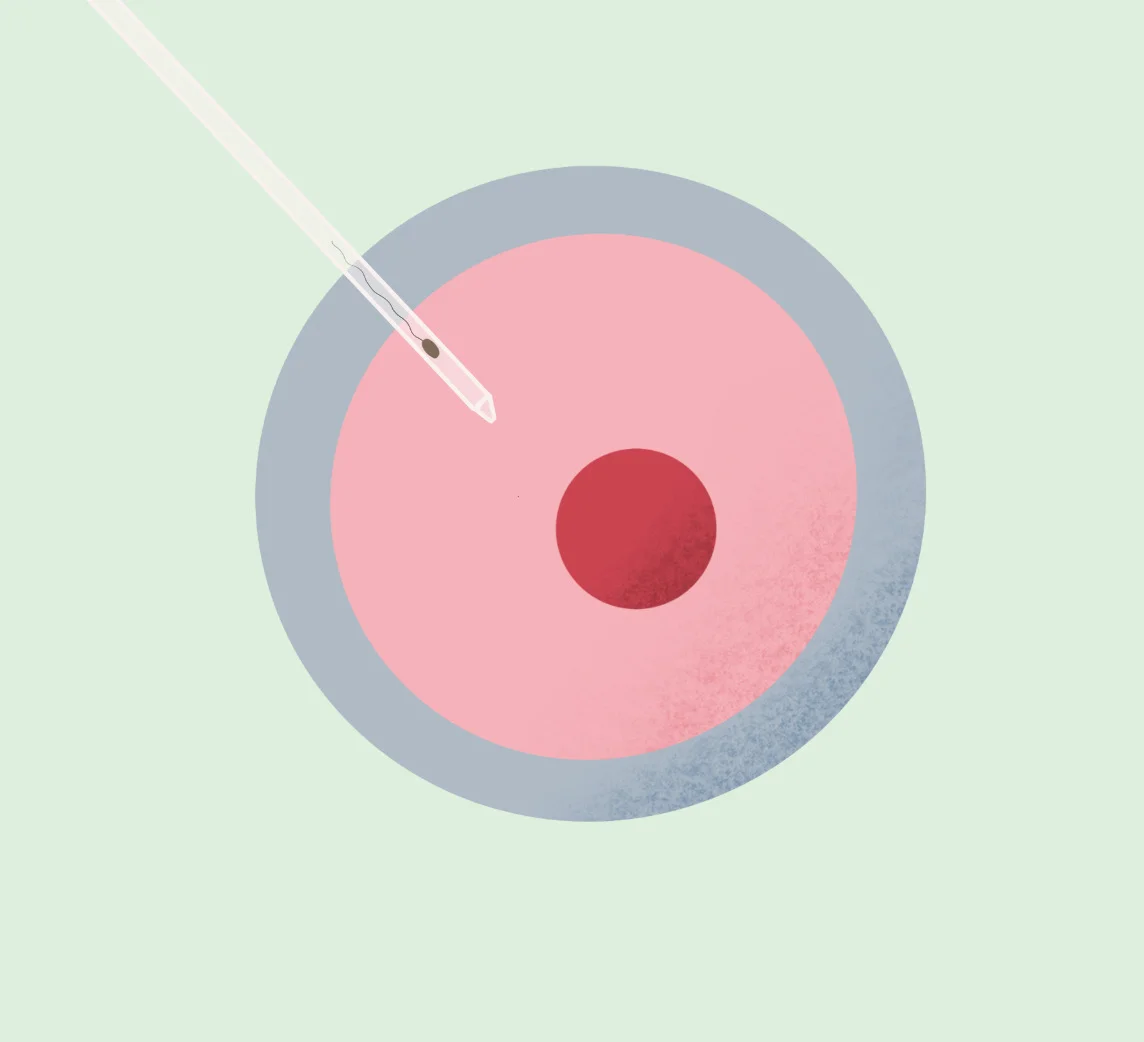
Intracytoplasmic sperm injection (ICSI)
In intracytoplasmic sperm injection, a single sperm is selected and injected directly into a mature egg using a very fine needle. This procedure is carried out in a laboratory under a high-magnification microscope. Each sperm is selected by an expert embryologist based on its appearance and motility.
Once the sperm has been injected into the egg, fertilization is expected to occur and an embryo to form. ICSI is especially indicated when sperm quality is low, such as low sperm concentration, reduced motility, or abnormal sperm morphology. It can also be used to optimize the results of in vitro fertilization and when genetic analysis of the embryos is desired.
The success rate of ICSI is high and usually exceeds the fertilization rates obtained with conventional in vitro fertilization. By introducing the sperm directly into the egg, possible barriers or difficulties that sperm might encounter in the natural fertilization process are bypassed.
Preimplantation genetic diagnosis
Preimplantation genetic diagnosis (PGD or PGT-A) is an assisted reproduction technique used to evaluate the genetic material of embryos before they are transferred to the mother’s uterus during in vitro fertilization (IVF) treatment.
When embryos reach a certain stage of development (blastocyst), cells are removed from the layer that will give rise to the placenta and amniotic membranes. The cells removed from the embryo undergo genetic and/or chromosomal analysis to detect possible abnormalities.
This can include testing for specific genetic diseases or chromosomal abnormalities. In this way, only embryos that appear to be healthy are transferred to the uterus.
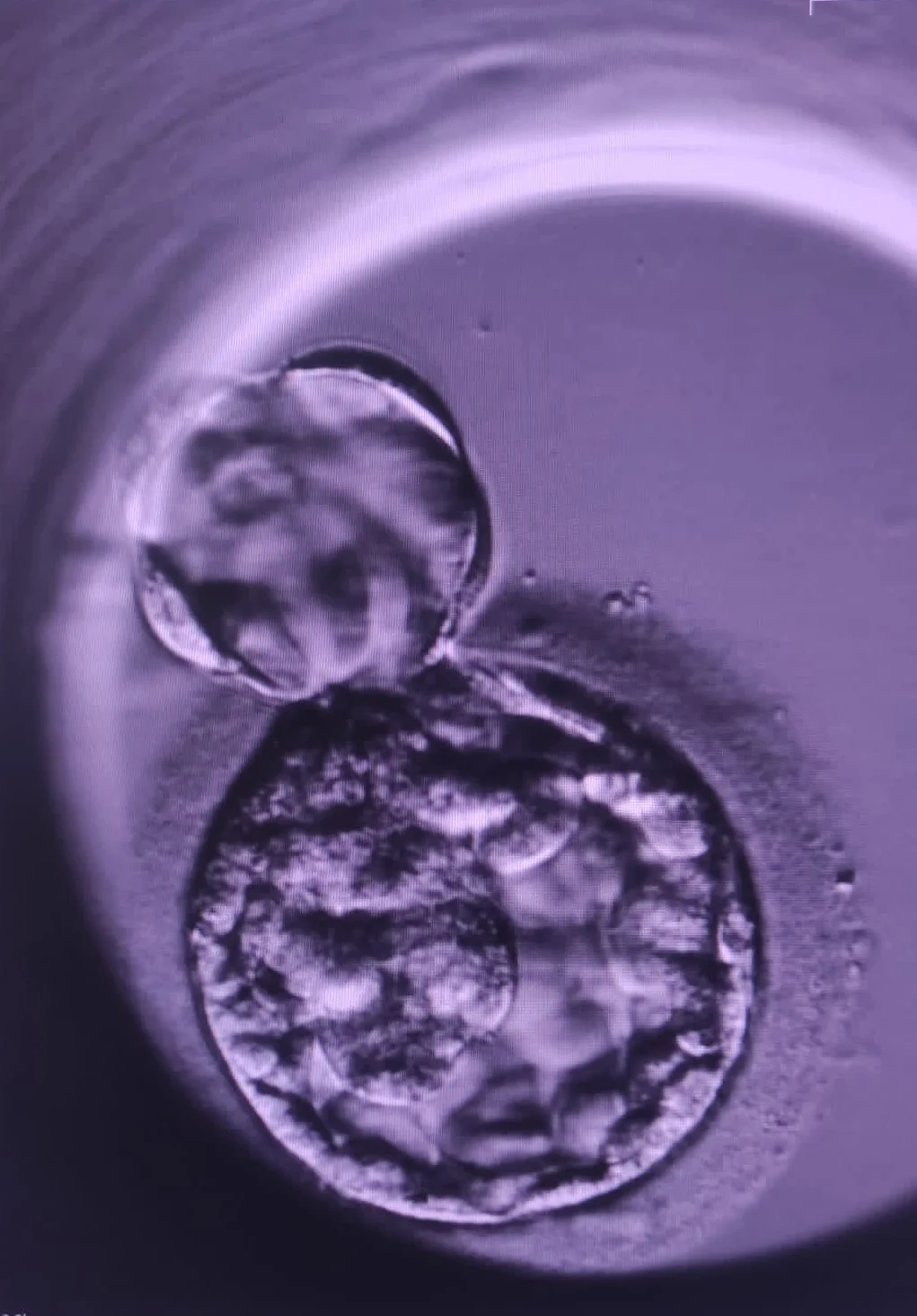

Oocyte vitrification:
Oocyte vitrification is a cryopreservation technique used in reproductive medicine to preserve a woman’s eggs in a frozen state for future use. It is also known as flash freezing or cryopreservation by vitrification.
Vitrification is an advanced freezing method in which a liquid is transformed into a glass-like solid without forming the ice crystals that can damage cells. During vitrification, the eggs are immersed in a cryoprotectant solution, a mixture of special chemicals that protect the cells from the damage caused by freezing.
The eggs are cooled rapidly to an extremely low temperature, usually by immersion in liquid nitrogen, which allows ultra-rapid freezing. Oocyte vitrification is used mainly in two situations. First, it is used by women who wish to preserve their eggs while they are young and fertile so that they can use them in the future, when they are ready to conceive.
This can be useful for women who will undergo medical treatments that may affect their fertility, such as chemotherapy or radiotherapy, or for those who wish to postpone motherhood for personal or professional reasons. Second, oocyte vitrification can be used in fertility treatments, such as in vitro fertilization (IVF), when it is not desired to fertilize all the eggs.
Vitrified eggs can be thawed at a later time and fertilized with sperm in the laboratory. The resulting embryos are transferred to the uterus of the recipient woman to achieve a pregnancy. Oocyte vitrification has significantly improved the success rates of egg cryopreservation and is considered a safe and effective technique in the field of reproductive medicine.

Receiving Donor Sperm
Sperm donation is used in cases of very severe male-factor infertility or for women who do not wish to conceive with a male partner.
Donation in Spain is anonymous by law, but the greatest possible physical resemblance to the recipients is sought. All donors undergo numerous medical and psychological tests to ensure their health.
In addition, I recommend a genetic compatibility study, or matching, to prevent the donor from carrying a disease-causing mutation in common with the mother.
Receiving Donor Eggs
Egg quality is probably the most important prognostic factor in fertility. A good-quality egg can sometimes repair the sperm and result in a take-home baby; sperm, however, cannot repair the egg. Egg quality is related mainly to the woman’s age. After age 35 there is a clear decline in egg quality and an increase in chromosomal abnormalities in the egg.
Egg donation in Spain is an altruistic and anonymous process by which a woman under 35 can donate eggs to another woman so that she can become pregnant.
The gestational mother influences the baby’s genetic development through epigenetic mechanisms, and the cumulative success rate is 90%.

Although fertility consultations are held at Calle Lagasca 122, I perform assisted reproduction treatments (egg retrievals and embryo transfers) at the accredited facilities of the clinics at Calle Aguaron 23 (CNN 13280214), C/ Villa de Marín (CNN 1328021423), and Calle Velázquez 19 (AGEFIV) (CNN 1328001893)